[Kim Jin Soo, Edaily Repoeter] Patients who have undergone extracellular matrix (ECM) treatments for skin rejuvenation are showing increasingly positive attitudes toward human tissue donation, suggesting that such treatments may be contributing to a broader shift in public perceptions of tissue donation.
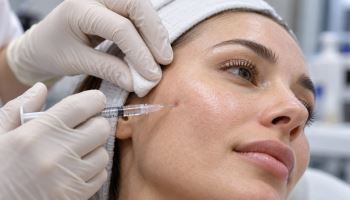
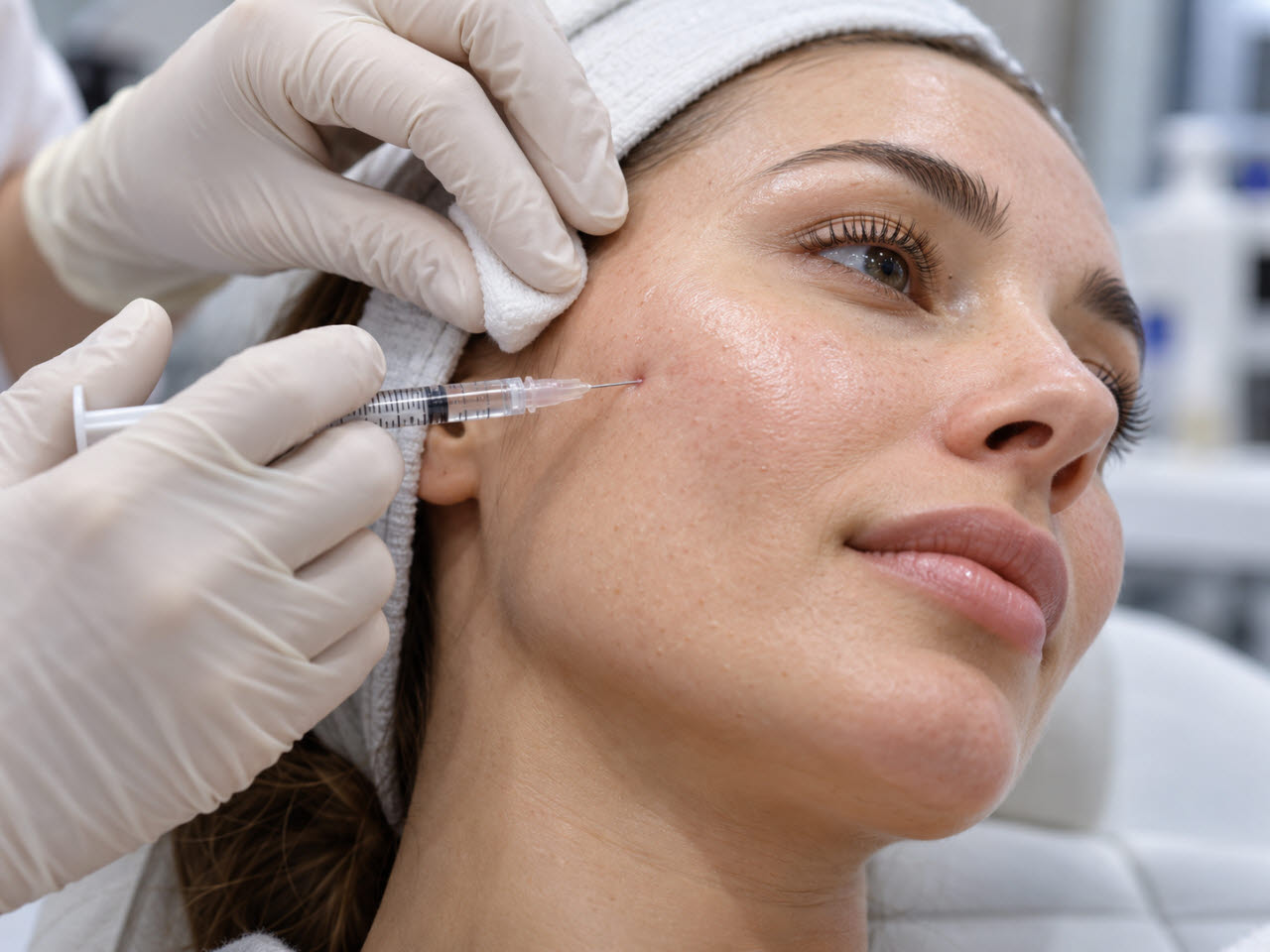 | | AI generated. |
|
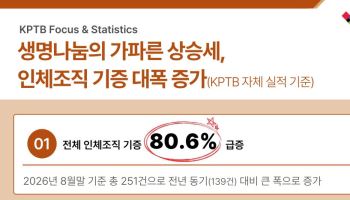
According to KPTB Focus, a human tissue industry trends report published by the Korea Public Tissue Bank on October 23, the number of human tissue donations reached 251 between January and August this year, up 80.6% from 139 during the same period last year. Donations from brain-dead and deceased donors increased 58.8%, from 97 to 154, while living donations surged 131.0%, from 42 to 97.
A consumer perception survey also revealed positive attitudes toward the use of donated human tissue. According to a recent survey conducted by Embrain Research Center involving 1,503 consumers and 380 healthcare professionals, 63.1% of consumers agreed with the use of donated tissue for legally permitted medical purposes, including aesthetic applications.
Notably, 88.6% of respondents who had previously undergone human tissue-derived ECM treatments expressed support for tissue donation, 27.3 percentage points higher than the general population. The findings indicate a greater willingness to support tissue donation among those with firsthand experience of ECM treatments.
Respecting donors‘ wishes and ensuring transparency in how donated tissue is used were also identified as important factors. When voluntary donor consent, transparent information disclosure, and appropriate safety management were guaranteed, 91.8% of consumers and 98.4% of healthcare professionals supported the use of donated tissue for medical and aesthetic purposes.
According to L&C Bio, an American patient who recently traveled to South Korea to receive Re2O, the company’s ECM-based skin booster treatment, also developed a more positive perception of organ and human tissue donation following the procedure.
“After seeing how ECM skin booster treatments improved the quality of life of people around me, I became convinced that the treatment could also improve my own quality of life,” the patient said.
“I had previously been undecided about donating human tissue. However, after undergoing this treatment, I realized that donated tissue could improve someone else‘s quality of life, even in a small way. The experience made me willing to become a donor, including for aesthetic purposes.”
In South Korea, the allocation of donated human tissue follows legally established priorities based on medical urgency and expected therapeutic benefits. Under this principle, priority is given to medical institutions that urgently require tissue transplantation for patient treatment.
L&C Bio does not use tissue donated in South Korea for Re2O. Instead, the company uses human skin tissue obtained from American donors who have consented to its use for aesthetic purposes.
Interest in Re2O is also growing among international patients and medical professionals.
“We have recently seen an increasing number of foreign patients visiting our clinic specifically to receive Re2O treatments,” said Dr. Chang-sik Kim, director of Chang Dermatology Clinic.
“Following news of the agreement between L&C Bio and a U.S. tissue bank, physicians from the United States and other countries have also been traveling to South Korea to learn the treatment techniques, demonstrating strong international interest.”
Dr. Kim emphasized that Re2O’s defining characteristic is its ability to structurally replenish the dermis.
“Re2O can be understood as a form of tissue transplantation that uses particulate human dermal tissue to restore the skin‘s structural framework,” he explained. “It takes an approach of directly replenishing the extracellular matrix, which consists of components such as collagen and elastin.”
According to Dr. Kim, energy-based treatments and injectable products containing polynucleotides (PN) or poly-L-lactic acid (PLLA) stimulate collagen production and skin improvement through different mechanisms.
Re2O, by contrast, takes a different approach by directly replenishing the ECM structures that support the skin.
“Think of it as rebuilding the skin’s structural framework,” he said. “By replenishing the structures that support the skin, the treatment helps improve overall skin quality, including elasticity, thickness, and texture.”
Dr. Kim also highlighted the importance of explaining the origin and processing of donated tissue to patients.
“It is essential to explain where donated tissue comes from and how it is processed,” he said. “In clinical practice, relatively few patients express discomfort simply because the material originates from human tissue. In fact, when they understand that it is a tissue graft derived from carefully processed donated tissue, many become more optimistic, believing that human-derived material may be particularly compatible with human skin.”